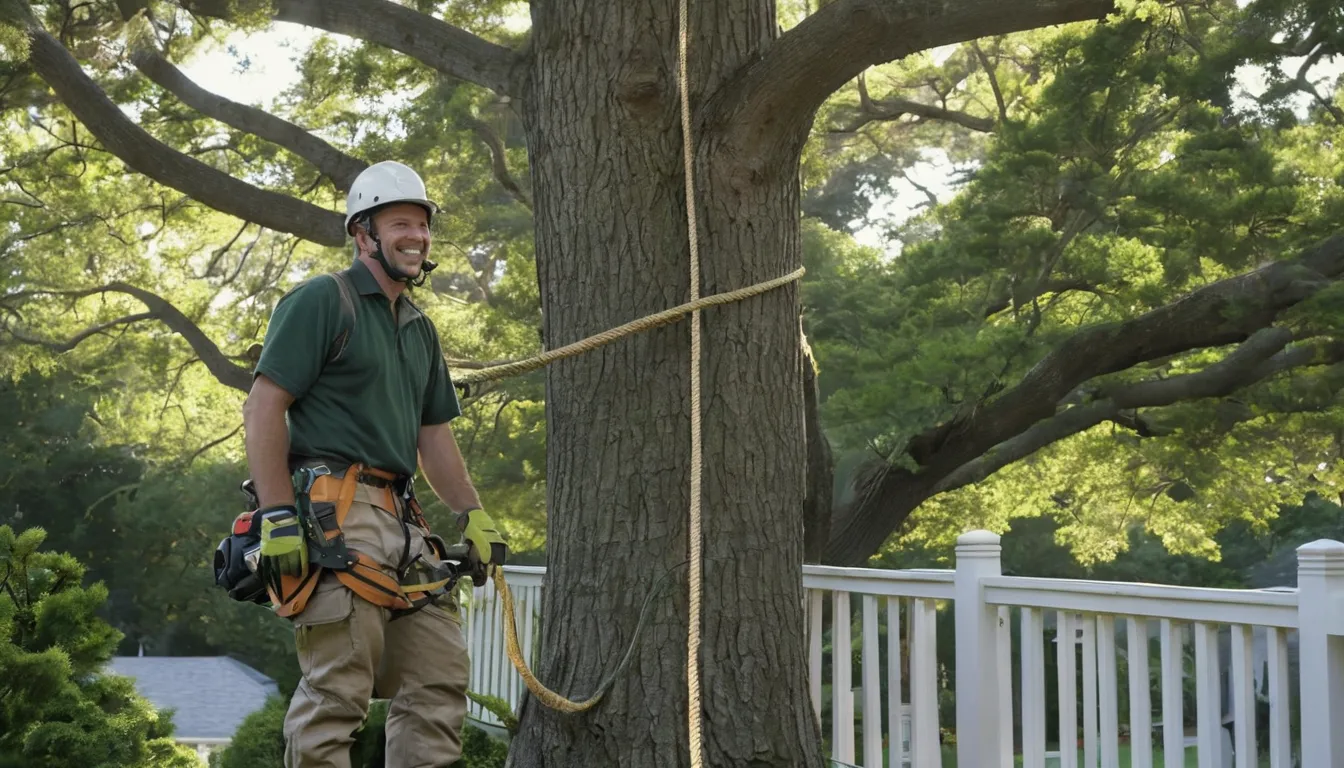
Tree Removal
Whether a tree is leaning or already down, a local provider can look at it and explain your options.
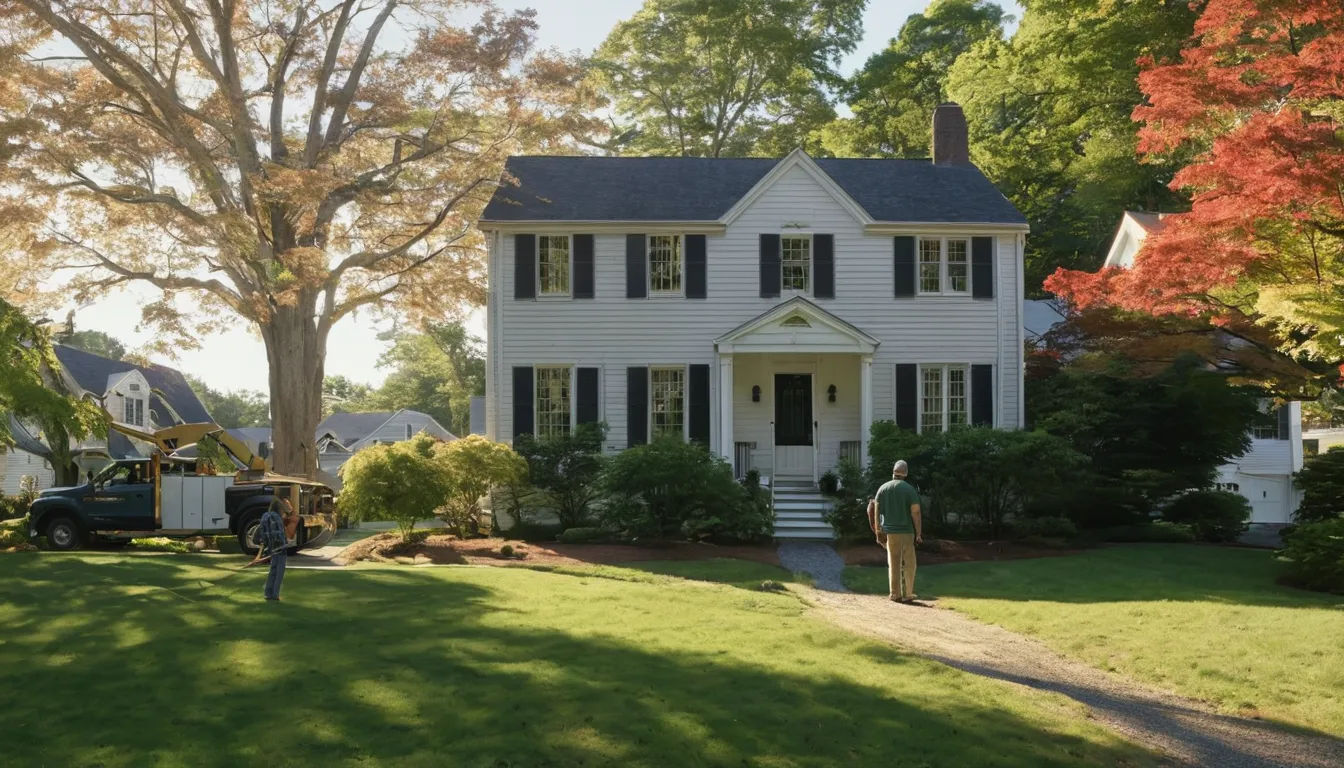
A tree that needs to come down is stressful enough. Mattother Tree Service connects you with independent local providers, so you can compare written quotes, pick a time that fits your week, and then keep the rest of your yard in good shape.
Most homeowners start with one of these two jobs. Pick the one that matches your yard today. If you are not sure, describe what you see in your request, and the provider can suggest whether removal, grinding or both make sense.
Whether a tree is leaning or already down, a local provider can look at it and explain your options.
Stump grinding turns a rough, in-the-way stump into mulch, so your yard feels calm and usable again.

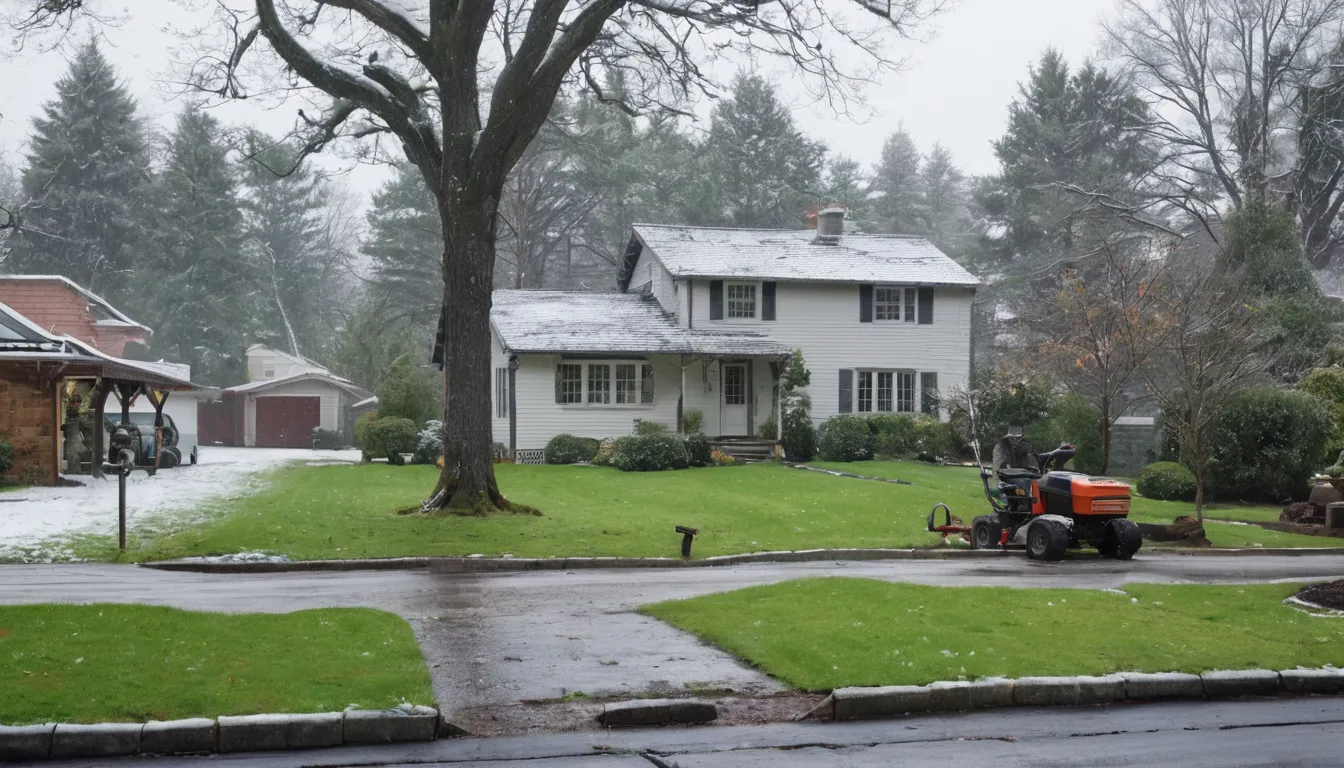
Tell us about your tree and your schedule. Send an estimate request and a local provider can follow up with questions and a written quote.
No obligationMaybe a limb cracked in a storm. Maybe the trunk leans toward your roof. Maybe an old maple has finally worn out. Whatever brought you here, take a breath. You are in the right place.
Mattother Tree Service is a referral service. It connects homeowners in Sayreville and the Sayreville area with independent local providers who handle tree removal and residential stump grinding. The providers do the work. Mattother Tree Service helps you reach them.
Start with an estimate request. Describe the tree, where it stands, and what is close by, like the house, a driveway or a fence. A short note and a photo or two go a long way. Then you can read the written quotes at your own pace and choose a time that suits your week.
If a tree is already down or leaning hard, request a callback to check provider availability. Many providers can respond quickly to urgent jobs, though hours vary by provider.
Once the tree is gone, the job is not quite finished. A little care afterward protects the rest of your yard. This page covers that too.
You tell Mattother Tree Service what is going on. Mattother Tree Service passes the details to independent providers in our network who work near you. A provider reviews your request and gets back to you with questions or a written quote. You choose who to hire. Nothing is decided for you, and there is no obligation to say yes.
That is the whole job of Mattother Tree Service. It is a bridge between you and local tree providers. It does not climb, cut, haul or grind. The provider you pick does all of that, and your agreement is with them.
Tree removal covers a lot of ground. It can mean taking down a dead ash, clearing a pine that has grown too close to the house, or sorting out a limb that landed on the shed. Providers can also offer tree falling service for trees that must be lowered in sections because space is tight. That is common on small lots with older homes close together.
After the trunk is down, residential stump grinding takes the stump below ground level. That clears the way for grass, a garden bed or a patio. Some storms leave several trees or branches behind, and many providers offer storm tree clearance for that kind of cleanup.
A removal solves today's problem. A little follow-up helps with the next one. Ask the provider which nearby trees look healthy and which deserve a closer look. Ask about pruning, root spacing and what to plant in the empty spot. Many providers are glad to talk it through while they are on site.
The notes further down this page return to that idea, because the quiet work after the job is what keeps a yard calm for years.
Mattother Tree Service focuses on Sayreville and the Sayreville area. Providers in our network know the local weather, and that matters. Cold, snowy winters put weight on branches. Freeze and thaw cycles loosen soil around roots. Spring snowmelt softens the ground. Coastal storms can bring strong gusts that test older trees.
The houses here are part of the picture too. Older homes, Cape Cod style roofs, full basements, and stone or block foundations all sit close to the trees that were planted around them decades ago. Multi-family buildings often share a lot, which means a falling limb can reach more than one household. A local provider understands those tight spaces and plans the cut with care.
If you are in the area and have a tree on your mind, send a request. Describe how close it is to the house, wires or a neighbor's fence. That detail helps a provider decide what equipment fits and how to protect your lawn and walkways.
Not sure whether your address is covered? Request a callback to ask about providers near you.
When one tree goes, the others around it feel the change. They get more wind and more sun. Walk the yard a week or two later and look up. Note any dead branches, leaning trunks or cracked bark. Share what you find with the provider or in your next request.
A left-behind stump can sprout, attract insects and trip a mower. Residential stump grinding removes it below the surface. Ask the provider what happens to the wood chips. They can make good mulch for beds, or you can ask for them to be hauled away.
After high wind or heavy wet snow, take a short walk outside. Look for hanging limbs and ground that has shifted. If something looks risky, ask about emergency tree removal. Keep your distance from any tree touching a wire.
Water in the soil freezes, expands and thaws again all winter. That can loosen roots. Check trees near walks and driveways in early spring. Leaning that was not there in fall is worth a closer look.
Older homes with stone or block foundations do not like roots pushing against them. Roofs on Cape Cod style houses sit low and close to branches. Trim back limbs that touch the roof, and ask a provider about spacing before you plant anything new.
Tell the provider about school pickups, work calls, naps and pets. Many can plan around your week. Ask about arrival windows, where equipment will park and how long the job might take. A short plan keeps the day calm.
In the U.S., small tree removals often run a few hundred dollars, while large or tricky trees can cost well over a thousand. Stump grinding often runs roughly $150 to $500 per stump. Prices vary by job, so get a written quote. Some policies may cover sudden damage, so check your policy. Providers can often help document damage for a claim.
You do not need to have every answer. Tell us about the tree, how close it stands to the house, and what your week looks like. A provider can follow up with questions and a written quote.
Prefer to talk it through? Request a callback to check provider availability and ask what to expect. Hours vary by provider.
Tell us about your tree and your schedule. Send an estimate request and a local provider can follow up with questions and a written quote.
No obligation